Outer Banks Waterfront Ownership
For some reason, blankly staring at a body of water has the ability to relieve stress and leave one feeling relaxed. Throw in the sound of waves crashing on the beach or water lapping up against a bulkhead or pier and it's time to break out the lounge chair and sip on something cold.
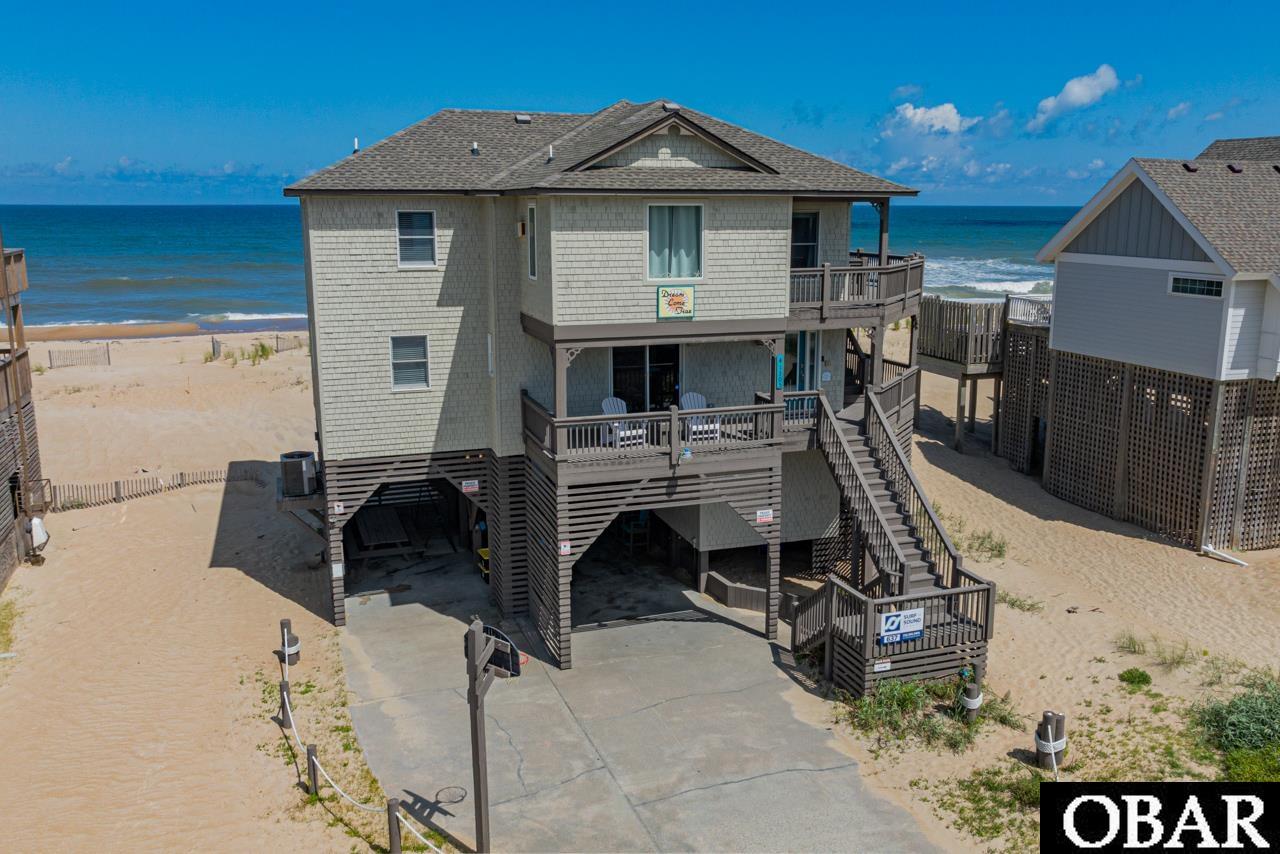
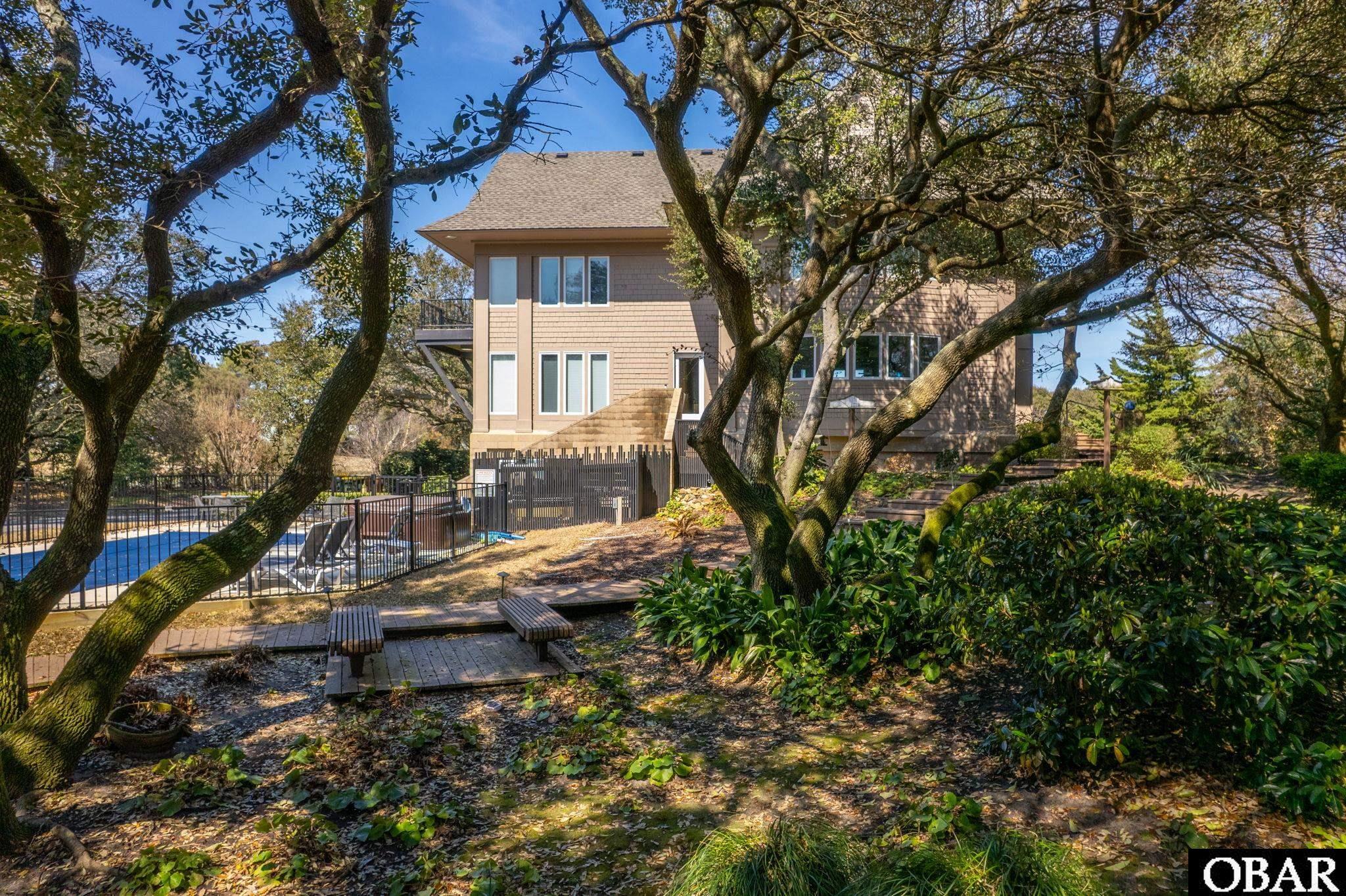
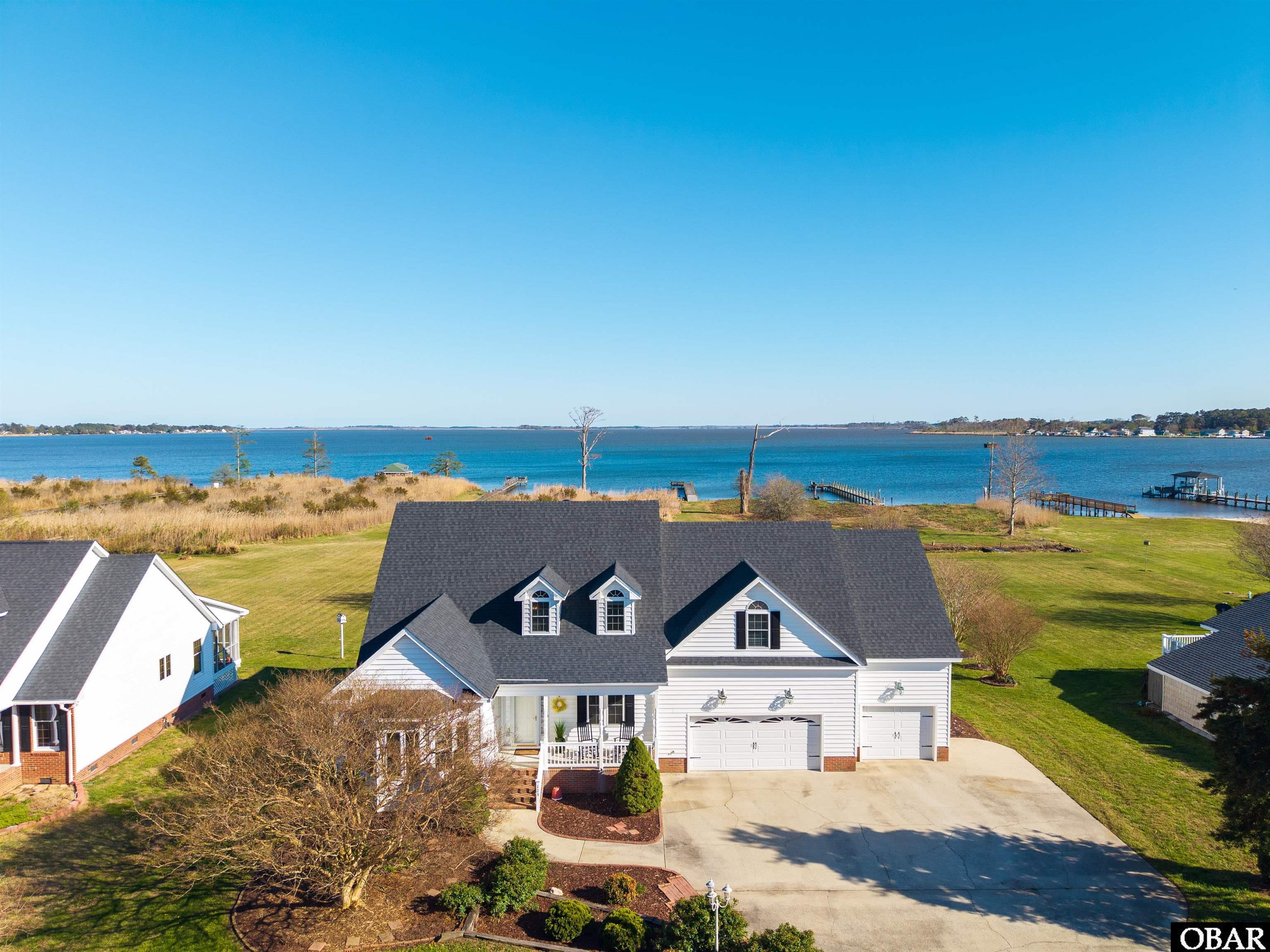
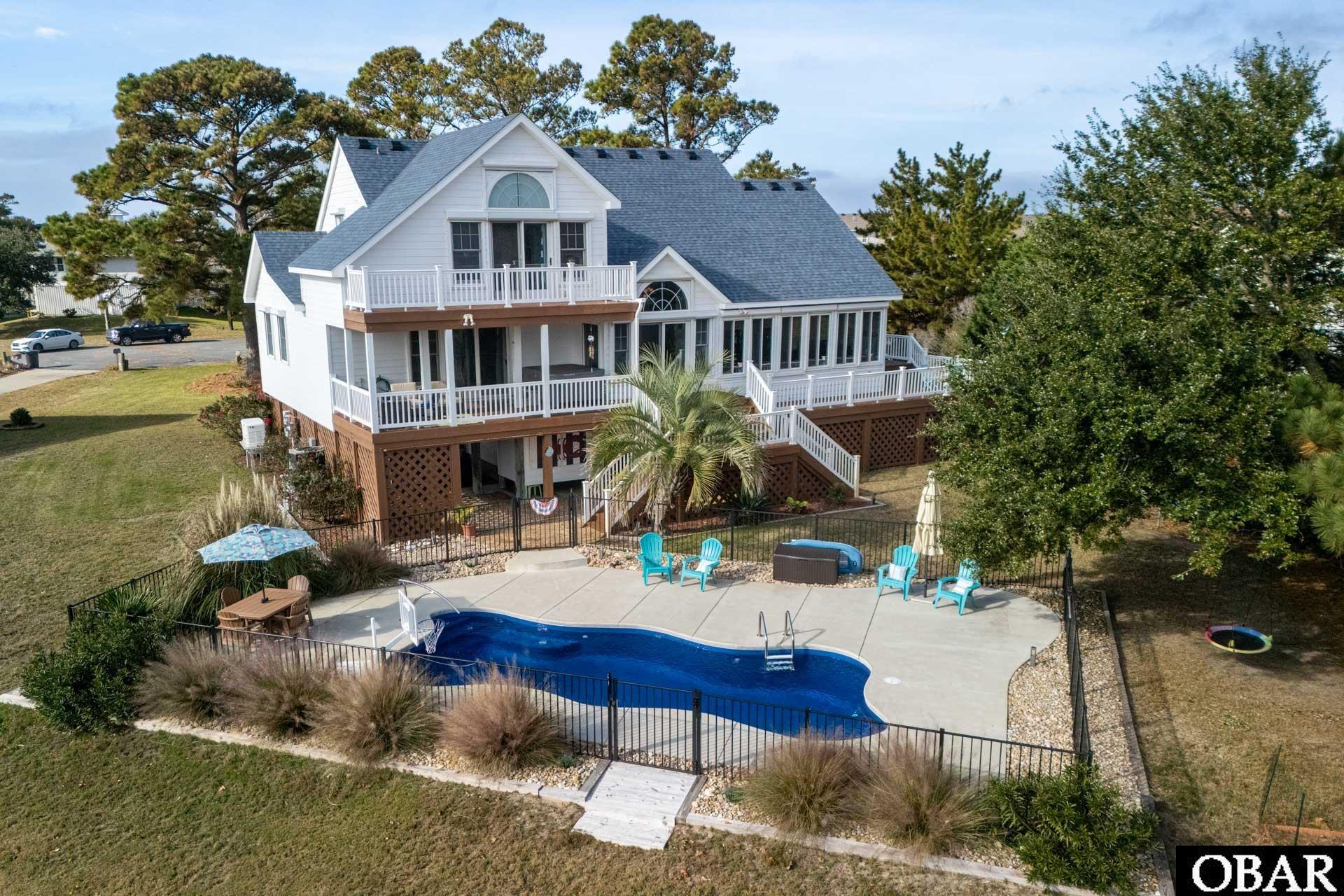
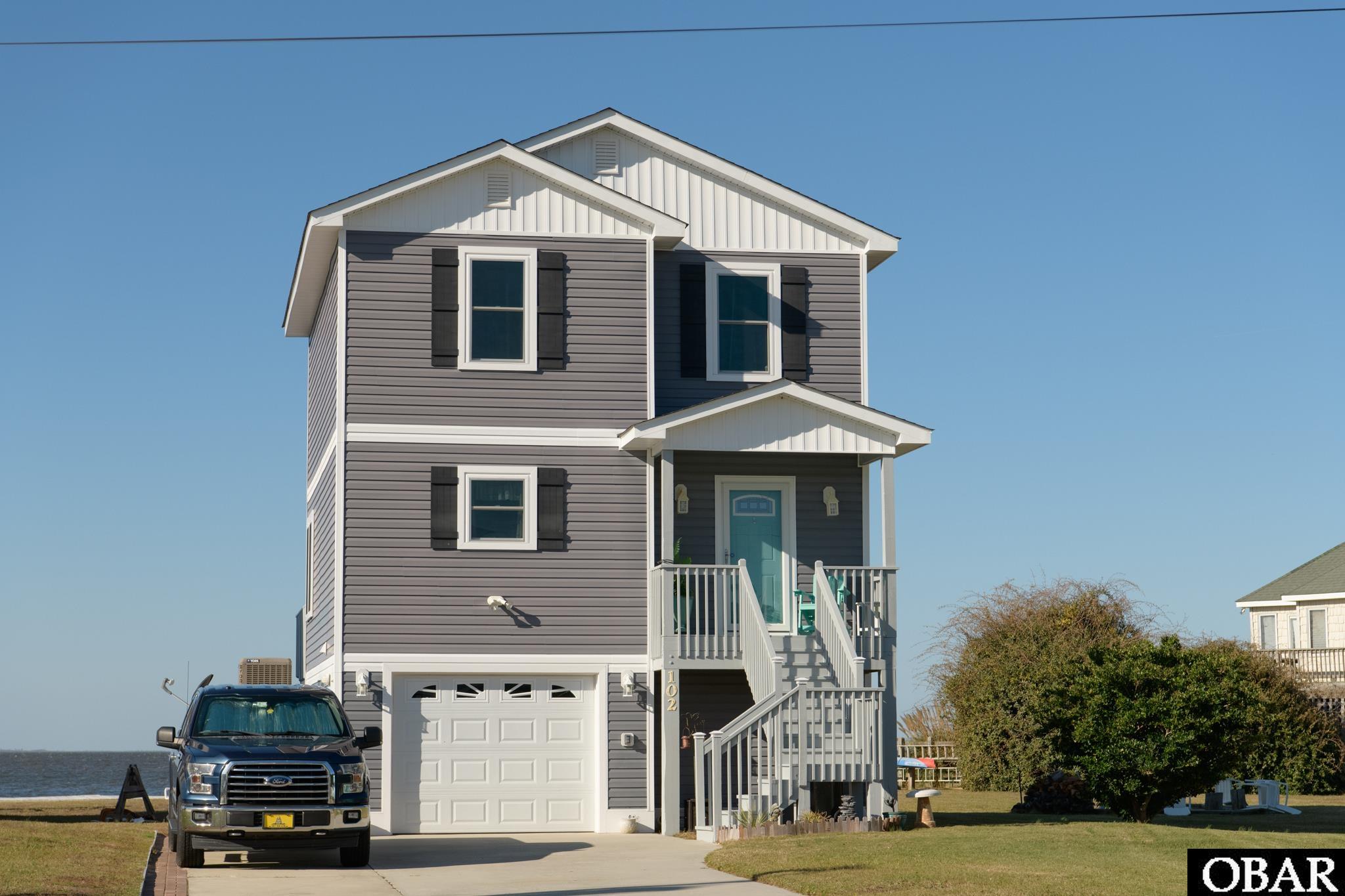
The Outer Banks offers a variety of water frontage and water views to satisfy your desire for fun on the water. Read the brief descriptions below descibing the 3 major types of water front properties and follow the links for more detailed information about each.
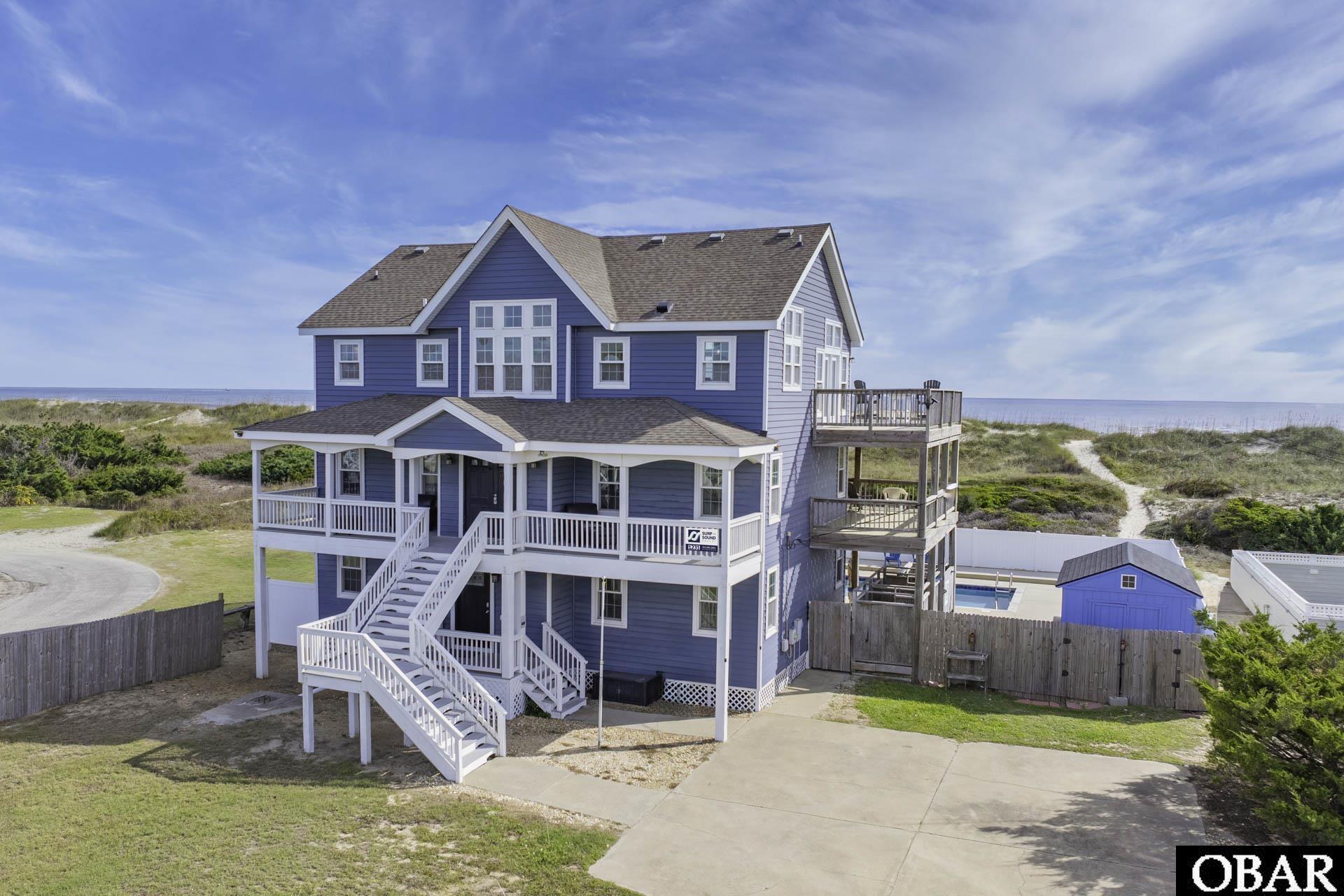
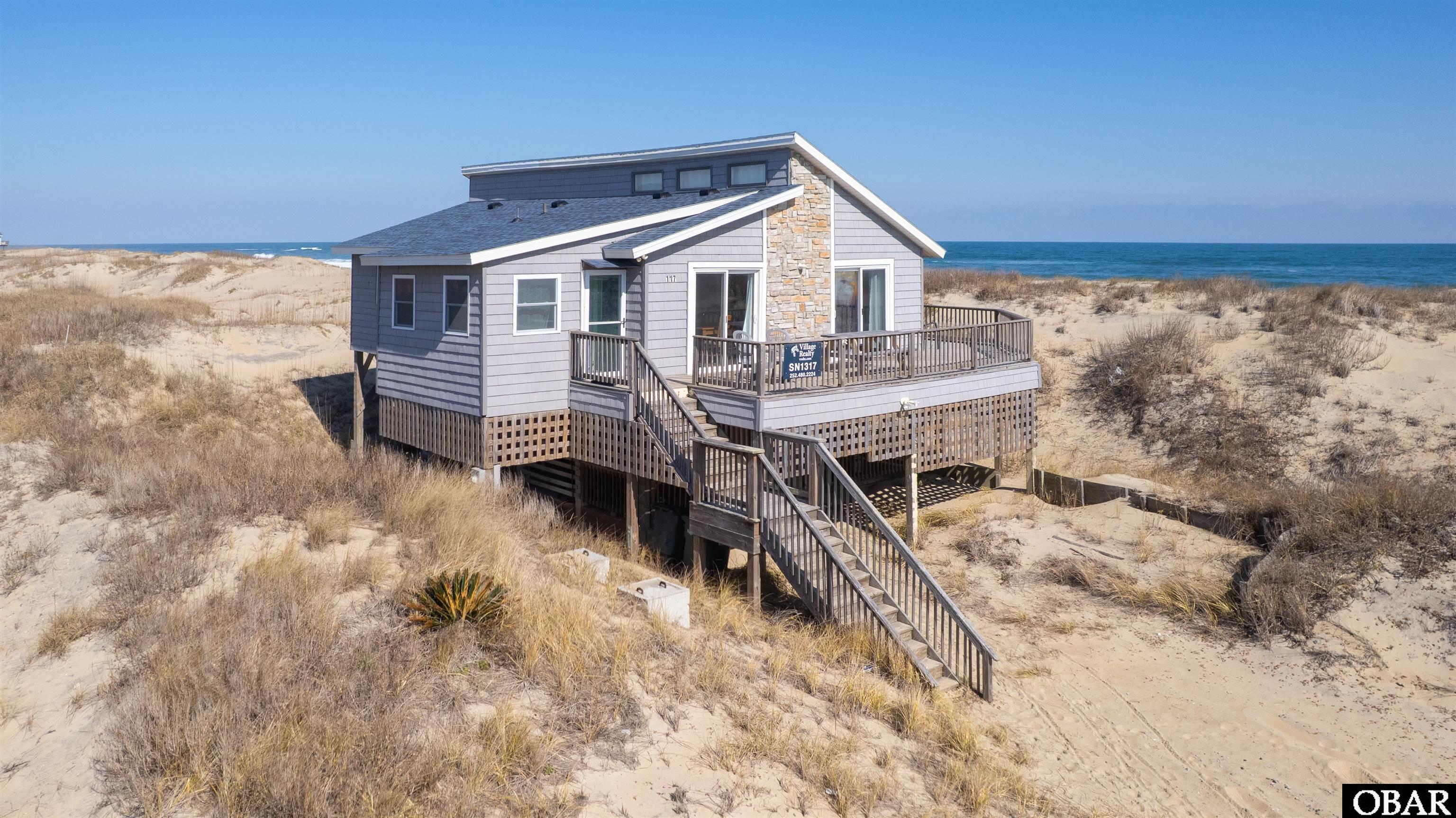
Owning an ocean front house on the Outer Banks is a dream shared by a lot of people. Not many of them have the resources and/or the courage to actually make that dream come true. If you are one of the fortunate ones looking to buy an ocean front property then you should find these articles helpful OBX Oceanfront Articles.
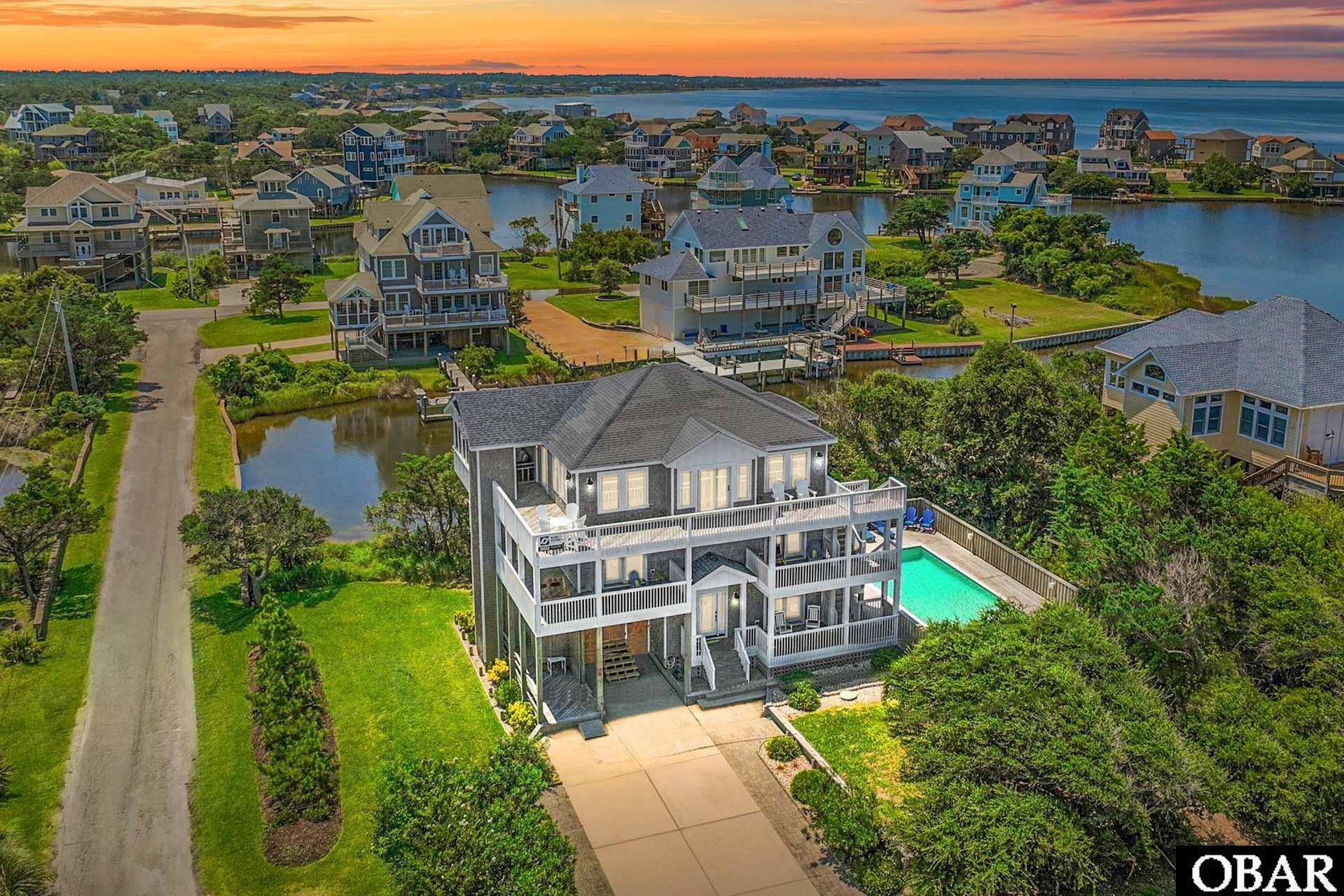
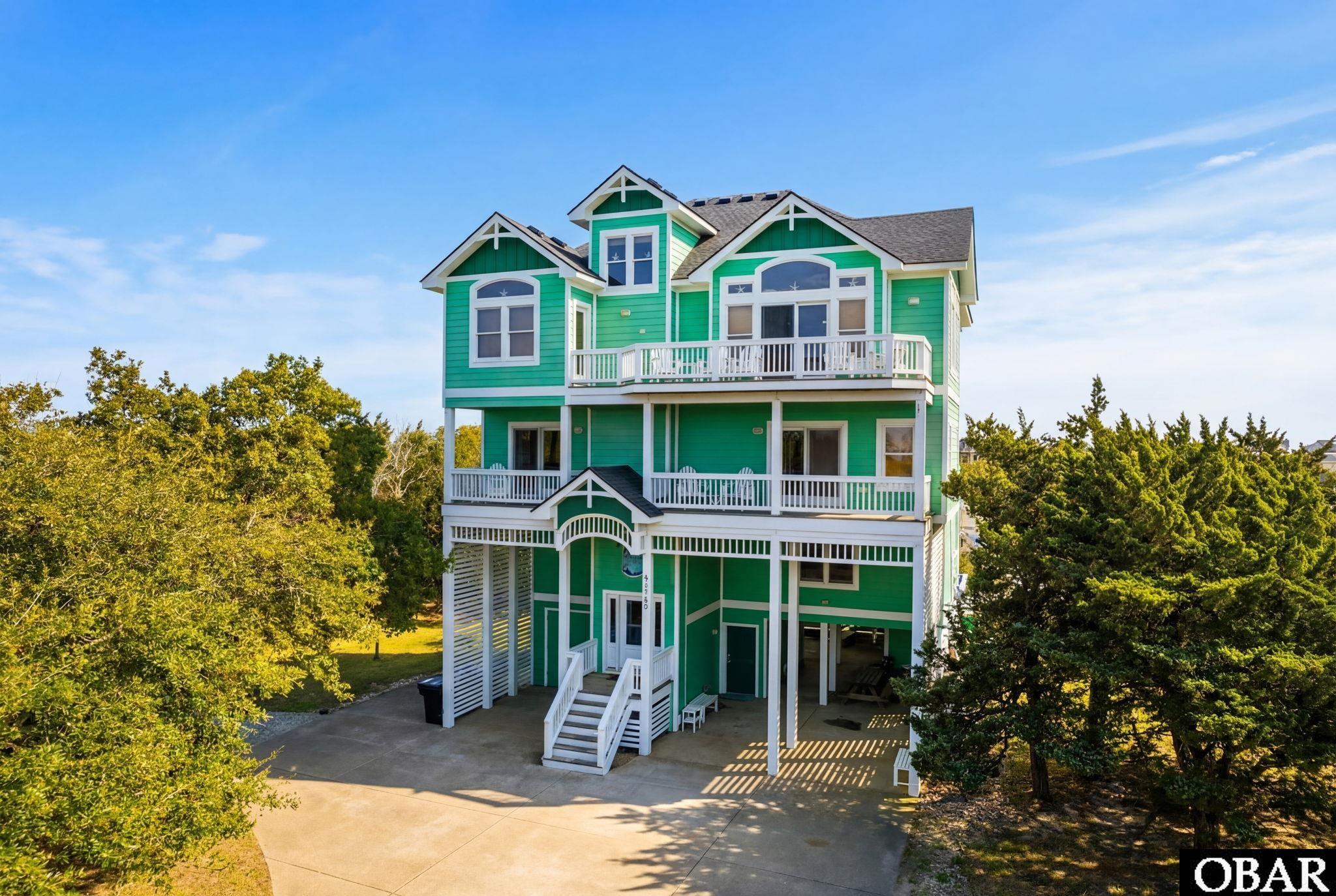
Soundfront: These properties are located directly on the various sounds (like the Currituck, Albemarle, Roanoke, Croatan or Pamlico Sounds) on the western side of the barrier islands. They often have private docks and offer views of spectacular sunsets. Here are some articles to show you the ins and outs of sound front ownership. OBX Sound Front
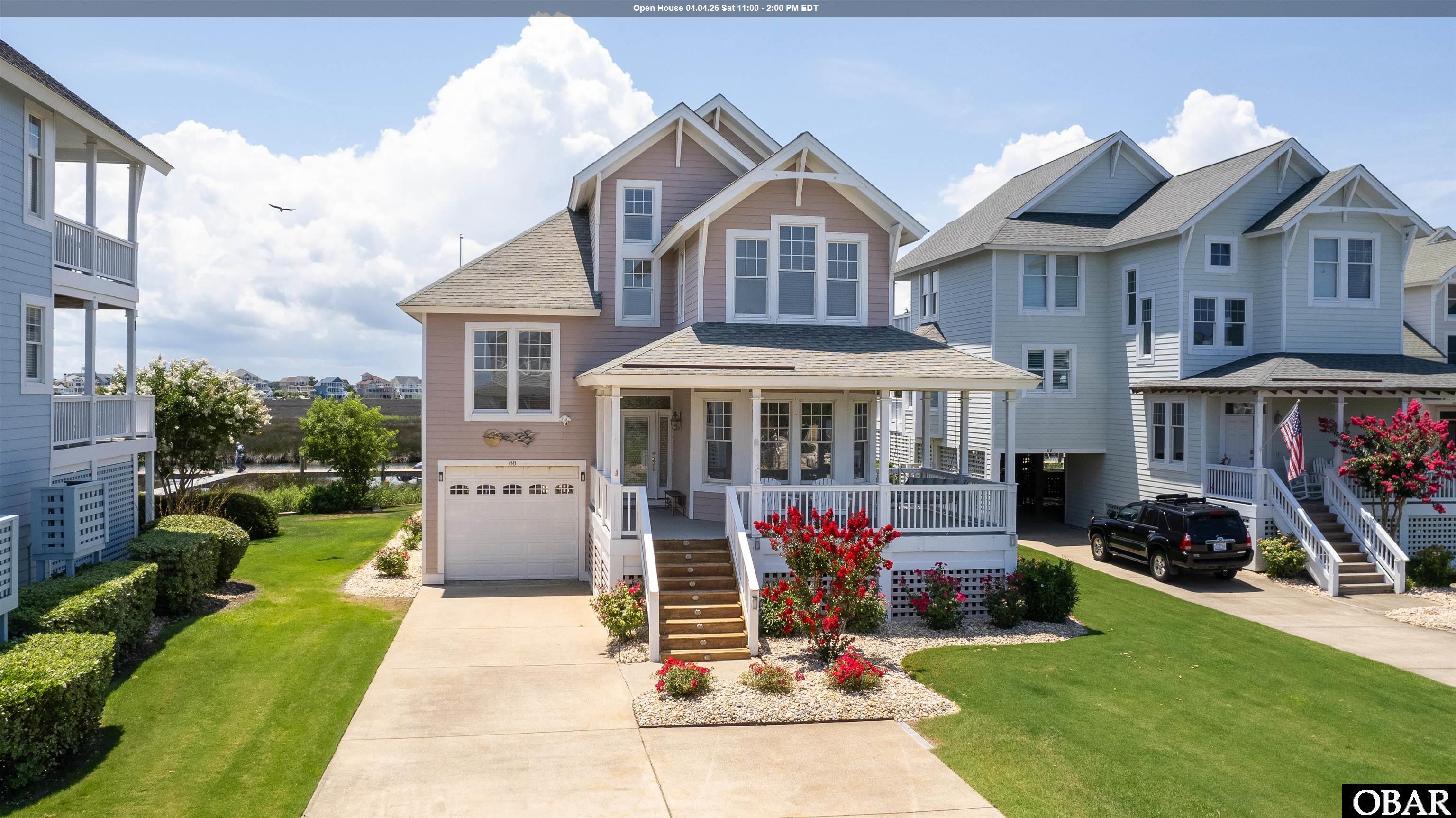
Canalfront: Found in select neighborhoods like Colington Harbour and Old Nags Head Cove, these properties are located on navigable canals, providing direct boat access from your backyard to the sound. Not all canals are the same, so follow this link to find out what to watch out for when looking for OBX Canalfront Properties
Regulations for Building Waterfront Property
Building or renovating a waterfront home on the Outer Banks is subject to strict environmental and building codes to mitigate flood risk and protect the coastline.
CAMA Permit: Projects on the oceanfront, sound, or a canal often require a Coastal Area Management Act (CAMA) permit from the North Carolina Division of Coastal Management.
Flood Zones and Elevation: All of the Outer Banks is in some type of flood zone, making flood insurance necessary for most properties.
New construction is typically required to have the first floor elevated on pilings, often 9 to 10 feet above sea level, to qualify for minimal flood insurance premiums.
VE Zones (Wave Velocity Zones) are common for oceanfront and soundfront properties and have the strictest building requirements.
Oceanfront Setbacks: The Coastal Resources Commission enforces oceanfront setback requirements, which mandate a minimum distance a structure must be set back from the first line of stable, natural vegetation. These rules aim to reduce risk to property from erosion and storms.
Here are all of the water front homes currently for sale on the Outer Bnaks